In the realm of modern medicine, there are few drugs as essential in the emergency and operating rooms as Heparin. Commonly known as a “blood thinner,” Heparin is a potent anticoagulant that has saved millions of lives by treating and preventing life-threatening blood clots. Heparin injection uses are common in heart bypass treatment to care for the recovering patient. Read on to learn how this injectable drug works and where it fits in cardiovascular care.
Heparin: What is It?
Heparin is a naturally occurring glycosaminoglycan (a type of complex carbohydrate) initially isolated from liver cells (hence the name “hepar,” the Greek word for liver). Heparin works very quickly and doesn’t really “thin” the blood. But it dysregulates the chemical signalling that normally would allow solid clots to form.
What Heparin Does in the Body
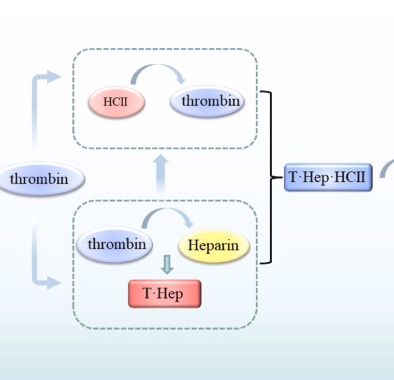
To understand Heparin, you must first know what the “Coagulation Cascade” is. The cascade is the body’s elaborate way of preventing bleeding. Heparin halts this by binding to a particular protein in the blood known as Antithrombin III.
· Enhancement of Antithrombin: Heparin interacts with Antithrombin III, a natural anticoagulant present in the circulation. 17 This binding converts Antithrombin into a highly active or ‘supercharged’ form.
· Inactivation of Thrombin: This complex also inactivates Thrombin and Factor Xa – both of these enzymes are crucial for converting liquid blood into a fibrous gel (clot). But, once activated, this complex inactivates Thrombin and Factor Xa.
· Stopping Growth: Heparin isn’t effective at destroying a clot that has already formed. It is really effective at stopping a clot from getting bigger, so the body can wear it down over time.
You can get in touch with Ayurvedic doctors at Ask Ayurveda online to become aware of the potent Ayurvedic alternatives. You can successfully get over this conventional treatment if you listen to the guidance of Ayurvedic specialists. Following the right Ayurvedic approaches can help you avoid Heparin injection uses to cure this problem of blood clotting and heal from the inside.
When to Use Heparin?
Because it works so quickly (and can be rapidly stopped with a reversal agent called Protamine Sulfate), Heparin is the ”gold standard” in emergency medicine:
· Surgery or Other Medical Procedures: Open-heart surgery and kidney dialysis require blood to flow through external equipment. And without Heparin, the blood would see the machine as a foreign surface and clot almost immediately. Heparin keeps the blood liquid the entire time.
· Prophylaxis (Prevention): Individuals who are hospitalised and bedridden for extended periods are at high risk for clots. Patients considered “at risk” are often given low-dose Heparin injections to prevent the formation of a clot while they are recuperating.
Considerations and Precautions
Heparin is a wonder drug, but its use must be closely watched. Its effect on clotting means the main danger is haemorrhage.
· Monitoring: “Unfractionated” heparin patients generally require some form of blood monitoring, typically the aPTT (activated Partial Thromboplastin Time), to verify that their blood is adequately “thin.”
· HIT (Heparin-Induced Thrombocytopenia): A rare, potentially life-threatening immune-mediated decrease in platelet count that leads to the formation of new clots.
· Dosage and administration: It should never be administered intramuscularly (IM), to avoid the formation of painful hematomas.
See also: business metrics summary report
Final Words
Heparin remains the mainstay of inpatient care. With the capacity to quickly “supercharge” our body’s normal anti-clotting proteins, it is a must-have for surgeries and emergency heart care. By bridging the gap between a life-threatening blockage and recovery, Heparin provides the body the time it needs to heal safely.