Offshore oil and gas production depends on a vast network of infrastructure operating far from shore. Drilling rigs, production platforms, and subsea installations must receive continuous supplies of equipment, fuel, food, and materials in order to function efficiently. Supporting this complex logistical chain requires specialized ships designed specifically for offshore service. One of the most important vessels in this system is the PSV vessel, commonly known as a Platform Supply Vessel.
A PSV vessel serves as a critical link between onshore supply bases and offshore platforms. These vessels transport essential cargo needed to keep offshore installations running safely and productively. Without them, drilling and production activities in remote ocean locations would be extremely difficult to maintain.
Although platform supply vessels are widely used in the offshore energy industry, many people outside maritime operations are unfamiliar with their role and capabilities. Understanding what a PSV vessel is and how it operates helps reveal the complexity of offshore logistics and the specialized ship design that supports it.
This article explains the purpose, design, capabilities, and operational importance of PSV vessels in the offshore oil and gas sector.
What Is a PSV Vessel?
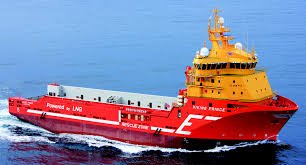
A PSV vessel, or Platform Supply Vessel, is a specialized offshore support ship designed to transport supplies, equipment, and materials between shore bases and offshore drilling or production platforms. These vessels play a vital logistical role in offshore energy operations.
Offshore platforms operate many miles from land and cannot easily receive deliveries through conventional means. Helicopters may transport personnel, but most equipment and materials must be moved by sea. Platform supply vessels provide the necessary transportation capacity to deliver large quantities of cargo safely and efficiently.
A typical PSV vessel carries a wide range of materials including drilling fluids, cement, pipes, fuel, fresh water, chemicals, food supplies, and spare parts. These materials are essential for maintaining drilling operations and supporting offshore workers who live on the platforms.
The vessel’s design allows it to operate safely in challenging offshore environments while maneuvering close to large structures such as oil rigs and production platforms.
The Strategic Importance of PSV Vessels in Offshore Oil and Gas
Offshore drilling operations depend heavily on reliable supply chains. Drilling rigs require a continuous flow of specialized materials to maintain drilling activities and support production systems.
Platform supply vessels act as floating supply trucks for the offshore industry. They ensure that drilling platforms receive everything needed to continue operating without interruption.
Without a PSV vessel, offshore installations would quickly run out of critical supplies such as drilling mud, fuel, and spare equipment. Interruptions in supply deliveries could cause costly delays in drilling schedules or even temporary shutdowns of production facilities.
In addition to transporting materials, PSV vessels also assist with waste removal and returning equipment to shore bases for maintenance or replacement.
Because offshore operations often take place in remote areas with harsh weather conditions, platform supply vessels must be designed for reliability, safety, and operational flexibility.
Key Design Features of a PSV Vessel
The design of a PSV vessel reflects its primary role as a cargo transport ship for offshore platforms. Unlike traditional cargo ships, which focus mainly on large-scale container transport, platform supply vessels are optimized for specialized offshore logistics.
One of the most distinctive features of a PSV vessel is its large open deck area. This deck provides space for transporting equipment, containers, pipes, and other materials that must be delivered to offshore platforms. The deck is designed to handle heavy loads and allow cargo to be easily loaded and unloaded using cranes.
Below the deck, PSV vessels contain multiple cargo tanks used for transporting liquids such as drilling mud, fuel, fresh water, and chemicals. These tanks are carefully separated to prevent contamination and ensure safe handling of different materials.
Another important design feature is the vessel’s propulsion and maneuvering system. Offshore platforms require precise ship positioning during cargo transfers. Many PSV vessels are equipped with dynamic positioning systems that allow them to maintain their position automatically using computer-controlled thrusters.
This capability is essential when operating close to offshore structures, particularly in rough sea conditions.
Cargo Types Transported by PSV Vessels
A PSV vessel is designed to carry a wide variety of cargo types that support offshore drilling and production operations. Each cargo type plays a specific role in maintaining offshore activities.
Solid cargo transported on the deck often includes pipes, drilling equipment, containers, spare parts, and construction materials. These items are essential for maintaining equipment and performing repairs or upgrades on offshore platforms.
Liquid cargo transported in internal tanks may include drilling fluids, brine, fuel, fresh water, and specialized chemicals used in drilling processes.
Drilling fluids, often called drilling mud, are particularly important because they help stabilize wells and remove debris during drilling operations. Transporting these fluids safely requires specially designed tank systems within the PSV vessel.
Some vessels also transport bulk materials such as cement or barite used in well construction and completion operations.
The versatility of PSV vessels allows them to handle multiple cargo types simultaneously, making them indispensable to offshore supply chains.
Navigation and Positioning Near Offshore Platforms
Operating near offshore structures requires a high level of precision and safety. A PSV vessel must maneuver carefully around drilling rigs, production platforms, and subsea installations while maintaining stable positioning.
Modern platform supply vessels often use dynamic positioning systems that rely on GPS signals, sensors, and computer-controlled thrusters to maintain their location relative to the platform.
This technology allows the vessel to hold position without dropping anchor, which could damage subsea pipelines or cables.
Dynamic positioning systems continuously monitor environmental conditions such as wind, waves, and current. The system automatically adjusts thrusters to counteract these forces and keep the vessel in the correct location during cargo transfer operations.
This advanced positioning capability is one of the key features that distinguish a PSV vessel from conventional cargo ships.
Safety Considerations for PSV Vessel Operations
Safety is a critical priority in offshore supply operations. Platform supply vessels operate in environments that may involve heavy equipment, hazardous materials, and challenging weather conditions.
Designing and operating a PSV vessel requires strict adherence to maritime safety regulations and offshore industry standards.
Cargo handling procedures must be carefully managed to prevent accidents during loading and unloading operations. Liquid cargo systems must also be designed to prevent leaks or contamination.
Crew members working on PSV vessels receive specialized training in offshore operations, safety protocols, and emergency response procedures.
The vessels themselves are equipped with advanced navigation systems, fire safety equipment, and communication systems that ensure coordination between the ship, offshore platform, and shore base.
These safety measures help protect both the vessel crew and offshore workers during supply operations.
PSV Vessels in Modern Offshore Energy Logistics
The offshore oil and gas industry continues to evolve, and PSV vessels remain central to its logistics network. As offshore projects move into deeper waters and more remote regions, supply vessels must operate over longer distances and in more challenging environments.
Modern PSV vessels are often larger and more technologically advanced than earlier designs. Many incorporate fuel-efficient propulsion systems, improved cargo handling equipment, and enhanced safety features.
In addition to traditional oil and gas operations, some platform supply vessels now support offshore renewable energy projects such as wind farms.
The versatility of PSV vessels allows them to adapt to changing energy industry needs while maintaining their essential role in offshore logistics.
Frequently Asked Questions About PSV Vessels
What does PSV stand for in maritime terms?
PSV stands for Platform Supply Vessel. It is a type of offshore support ship used to transport supplies, equipment, and materials to offshore drilling rigs and production platforms.
What cargo does a PSV vessel carry?
A PSV vessel can carry a variety of cargo including drilling fluids, fuel, fresh water, chemicals, pipes, containers, and other equipment needed for offshore operations.
How large is a typical PSV vessel?
The size of a PSV vessel can vary depending on its capacity and operational requirements. Many vessels range from approximately 60 to over 100 meters in length.
What is dynamic positioning on a PSV vessel?
Dynamic positioning is a computer-controlled system that uses thrusters and sensors to keep the vessel in a fixed position without using anchors.
Are PSV vessels used outside the oil and gas industry?
Yes. While they are primarily used in offshore oil and gas operations, PSV vessels are also sometimes used to support offshore wind farms and other marine projects.
How many crew members work on a PSV vessel?
Crew sizes vary depending on the vessel’s size and operational requirements, but many platform supply vessels operate with crews ranging from around 10 to 25 personnel.
Conclusion: Why PSV Vessels Are Essential to Offshore Energy Operations
The offshore oil and gas industry depends on a complex network of logistics and specialized equipment to operate successfully in remote marine environments. Among the most important components of this network is the PSV vessel, which serves as the primary transport link between shore bases and offshore platforms.
Platform supply vessels deliver the materials, equipment, and resources that offshore installations need to maintain drilling and production activities. Their specialized design, large cargo capacity, and advanced positioning systems allow them to operate safely and efficiently in challenging offshore conditions.
From transporting drilling fluids and fuel to supporting maintenance and resupply missions, PSV vessels play a crucial role in keeping offshore operations running smoothly.
As offshore energy exploration continues to expand and diversify, the importance of PSV vessels remains clear. These ships represent a vital logistical backbone for the offshore industry, ensuring that even the most remote platforms receive the supplies they need to function safely and effectively.
Understanding how PSV vessels operate highlights the remarkable engineering and coordination required to sustain modern offshore energy production.