Understanding What Causes a Clogged Toilet
A clogged toilet is one of the most common household problems, yet it can quickly turn into a stressful situation if not handled properly. Most clogs occur when too much toilet paper is used or when non-flushable items such as wipes, paper towels, or hygiene products are disposed of in the toilet. Even items labeled as “flushable” can contribute to blockages over time, especially in older plumbing systems that are not designed to handle anything beyond human waste and toilet paper.
Another major cause of clogged toilets is the buildup of waste and mineral deposits in the pipes. Hard water can leave behind residue that narrows the passageway, making it easier for debris to get stuck. In some cases, clogs are not caused by what goes into the toilet but by issues deeper in the plumbing system, such as tree root intrusion or damaged sewer lines. Understanding these causes is the first step in both fixing and preventing toilet clogs effectively.
Simple Methods to Unclog a Toilet at Home
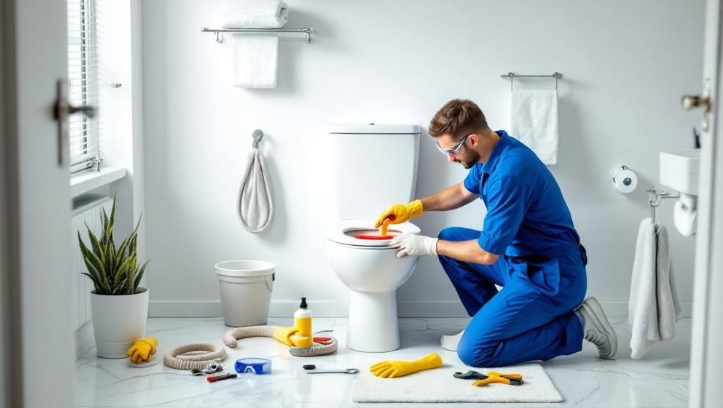
When faced with a Toilette verstopft, the first and most effective tool to use is a plunger. A standard flange plunger creates a seal around the drain and uses suction to dislodge the blockage. It’s important to use firm and consistent pressure rather than aggressive force, as this helps move the clog without damaging the pipes. Often, a few minutes of plunging is enough to restore normal flow.
If a plunger does not work, there are other household methods you can try. Hot water mixed with dish soap can help break down grease and soften the clog, making it easier to flush away. Pour the mixture into the bowl and let it sit for a few minutes before attempting another flush. Another popular method is using baking soda and vinegar, which creates a fizzing reaction that can loosen debris. These simple techniques are often effective for minor clogs and can save you the cost of calling a professional plumber.
When to Use Tools or Call a Professional
Not all clogs can be fixed with basic household methods, and sometimes more advanced tools are required. A toilet auger, also known as a plumbing snake, is designed to reach deeper into the drain and break up stubborn blockages. This tool is especially useful when the clog is caused by solid objects or compacted waste that a plunger cannot remove. It’s a worthwhile investment for homeowners who want to handle plumbing issues independently.
However, there are times when calling a professional plumber is the best option. If the toilet continues to clog frequently or if multiple drains in the home are backing up, the issue may be located in the main sewer line. Attempting to fix such problems without proper expertise can lead to further damage and higher repair costs. A licensed plumber has the tools and knowledge to diagnose and resolve complex issues safely, ensuring your plumbing system functions properly.
Preventive Measures to Avoid Future Clogs
Prevention is always better than dealing with a clogged toilet after it happens. One of the simplest ways to prevent clogs is to be mindful of what you flush. Only human waste and toilet paper should go down the toilet. Items like wipes, cotton balls, and sanitary products should always be disposed of in a trash bin. Teaching all household members these basic rules can significantly reduce the risk of clogs.
Regular maintenance also plays a key role in preventing toilet blockages. Flushing the toilet with hot water occasionally can help keep the pipes clear, while using cleaning solutions designed to remove mineral buildup can improve water flow. Additionally, keeping an eye on your plumbing system and addressing minor issues early can prevent them from turning into major problems. These proactive steps can save time, money, and inconvenience in the long run.
See also: Newcastle House Gutter Replacement: Protect Your Home from Water Damage
The Importance of Proper Toilet Care and Maintenance
Maintaining your toilet is not just about preventing clogs; it also ensures the overall hygiene and efficiency of your home. A well-maintained toilet uses water efficiently, reduces the risk of leaks, and minimizes the chances of unpleasant odors. Regular cleaning and inspection can help identify potential issues such as cracks, loose fittings, or slow drainage before they escalate.
Proper care also extends the lifespan of your plumbing system. By avoiding harsh chemicals and using gentle, effective cleaning methods, you can protect the internal components of your toilet and pipes. Investing time in routine maintenance may seem small, but it makes a significant difference in avoiding costly repairs and ensuring a comfortable living environment. A little attention today can prevent major plumbing headaches tomorrow.