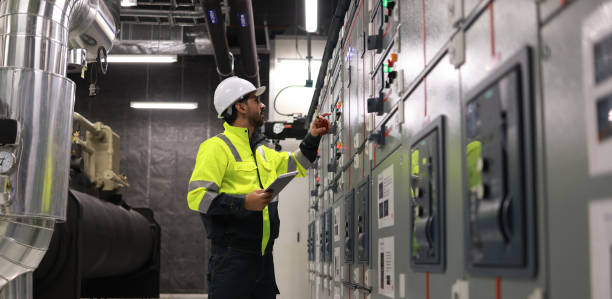
Industrial facilities depend on reliable electrical systems to keep machinery, production lines, automation equipment, lighting, and essential infrastructure operating efficiently. As industrial operations become more automated and electrically demanding, managing power safely and effectively becomes increasingly important. One of the central components of a well-designed industrial electrical system is the electrical switchboard.
Electrical switchboards provide a centralized location for controlling, distributing, protecting, and monitoring electrical power. They can help industrial facilities manage multiple circuits while providing protection against conditions such as overloads and short circuits. Depending on the application, a switchboard can incorporate circuit breakers, switches, busbars, metering equipment, protective devices, and control components.
Understanding the key benefits of using electrical switchboards can help facility managers, engineers, contractors, and industrial operators make informed decisions when designing or upgrading electrical infrastructure.
What Is an Electrical Switchboard?
An electrical switchboard is an assembly that receives electrical power from an incoming source and distributes it to multiple outgoing circuits. It typically contains electrical switching and protective equipment housed within an enclosure.
Switchboards can be designed for different voltage levels, current ratings, configurations, and environmental conditions. Their specifications depend on the requirements of the facility and the electrical distribution system.
See also: The Invisible Power of RFID Technology in Modern Life
Main Components of a Switchboard
An industrial switchboard may include several important components, such as:
- Main circuit breakers
- Feeder circuit breakers
- Disconnect switches
- Busbars
- Protective relays
- Metering equipment
- Surge protection devices
- Control equipment
- Grounding and bonding components
Each component serves a specific purpose within the electrical distribution system. The overall arrangement allows electrical power to be managed from a centralized location.
How Switchboards Support Power Distribution
Electrical power enters the switchboard through an incoming connection. The switchboard then distributes that power through separate outgoing circuits to equipment and other areas of the facility.
Protective devices can disconnect individual circuits when abnormal electrical conditions occur. This helps limit the impact of electrical faults and can support safer operation of industrial equipment.
Key Benefits of Electrical Switchboards in Industrial Applications
Industrial switchboards provide several benefits that extend beyond basic power distribution. Their design can contribute to safety, organization, reliability, maintenance efficiency, and operational control.
Improved Electrical Safety
Safety is one of the most important advantages of a properly designed switchboard. Industrial environments can contain high-power machinery and complex electrical systems, making protection against electrical faults essential.
Circuit breakers and other protective devices can detect or respond to abnormal current conditions. When a fault occurs, the affected circuit can be disconnected to help prevent damage to equipment and reduce electrical hazards.
Proper enclosure design can also help prevent accidental contact with energized components.
Centralized Power Distribution
An electrical switchboard provides a central point for distributing power to multiple circuits. Instead of having electrical controls scattered throughout a facility, major distribution equipment can be organized in a designated location.
This centralized arrangement can make the electrical system easier to understand, inspect, and maintain.
Simplified Circuit Management
Industrial facilities may have numerous circuits supplying different machines, production areas, lighting systems, HVAC equipment, and auxiliary systems. A switchboard can organize these circuits through clearly identified feeders and protective devices.
This organization can make it easier for qualified personnel to isolate specific circuits when maintenance or troubleshooting is required.
Better Protection for Industrial Equipment
Industrial machinery can be expensive and sensitive to electrical disturbances. Proper protection can help reduce the potential impact of electrical faults.
Overcurrent Protection
Circuit breakers and fuses can help protect conductors and equipment from excessive current. If a circuit experiences an overload or short circuit, the protective device can interrupt the electrical supply according to its operating characteristics.
Proper protective-device selection and coordination are essential to ensure that the electrical system responds appropriately to faults.
Short-Circuit Protection
Short circuits can produce extremely high currents that may damage electrical equipment and create significant safety hazards. Industrial switchboards can incorporate equipment designed to interrupt fault currents within specified ratings.
Engineers should calculate available fault current and select switchboard equipment with an appropriate short-circuit rating.
Improved System Organization
A well-designed switchboard can make a complex electrical distribution system easier to manage.
Clear Identification of Circuits
Industrial switchboards can include labels and circuit directories identifying incoming and outgoing connections. Clear labeling can reduce confusion during maintenance and troubleshooting.
Accurate documentation is particularly important in facilities where electrical systems have been modified or expanded over many years.
Easier Maintenance
Centralized equipment can allow qualified technicians to access multiple protective and switching components from one location. Routine inspection and testing can therefore become more organized.
Maintenance personnel can review connections, protective devices, meters, and other components as part of a structured maintenance program.
Enhanced Monitoring and Energy Management
Modern switchboards can incorporate metering and monitoring equipment that provides information about electrical system performance.
Electrical Measurements
Depending on the design, switchboards can monitor parameters such as:
- Voltage
- Current
- Frequency
- Power factor
- Energy consumption
- Demand
- Power quality indicators
This information can help facility operators understand how electricity is being consumed.
Supporting Energy Efficiency
Monitoring electrical consumption can help identify areas of high demand or unusual energy usage. Industrial facilities can use this information when evaluating energy-saving opportunities.
For example, measurements may help identify equipment that operates during periods of high demand or reveal changes in electrical performance that warrant investigation.
Flexibility for Industrial Expansion
Industrial facilities frequently change as production requirements evolve. New machinery may be added, production areas may expand, or electrical loads may increase.
Accommodating Additional Circuits
A switchboard designed with appropriate spare capacity can make future expansion easier. Depending on the design, additional feeder positions or sections may be incorporated to accommodate future electrical requirements.
Planning for expansion during the initial design stage can reduce the complexity and cost of later modifications.
Supporting Different Industrial Loads
Switchboards can distribute power to many types of equipment, including motors, pumps, compressors, conveyors, HVAC systems, lighting, automation systems, and process machinery.
The switchboard must be appropriately rated for the connected loads and designed to meet the facility’s electrical requirements.
Improved Reliability and Continuity of Operations
Industrial downtime can be costly. An electrical fault affecting a major production system can interrupt operations and require significant troubleshooting.
Selective Circuit Protection
Properly coordinated protective devices can help isolate faults to affected sections of the electrical system. Rather than shutting down an entire facility for every fault, the electrical design may allow only the affected circuit to be disconnected.
The effectiveness of this approach depends on appropriate system design and protection coordination.
Reliable Power Management
A high-quality switchboard that is properly installed and maintained can provide dependable power distribution over an extended service life. Components should be selected according to expected loads, operating conditions, fault levels, and applicable standards.
Applications of Electrical Switchboards
Electrical switchboards are used across many industrial environments.
Manufacturing Facilities
Factories may use switchboards to distribute power to production machinery, motors, control systems, lighting, and auxiliary equipment.
Processing Plants
Food processing, chemical, pharmaceutical, and other processing facilities may rely on centralized electrical distribution systems to support continuous operations.
Warehouses and Large Facilities
Large warehouses and logistics facilities can use switchboards to distribute electricity to lighting, material-handling equipment, HVAC systems, charging infrastructure, and other loads.
Factors to Consider When Selecting a Switchboard
Choosing an appropriate switchboard requires careful engineering and planning.
Electrical Ratings
Important specifications include:
- System voltage
- Continuous current rating
- Short-circuit current rating
- Number of circuits
- Busbar rating
- Frequency
- Enclosure type
- Environmental conditions
These ratings should correspond to the electrical system and expected operating conditions.
Installation Environment
Industrial environments can expose electrical equipment to dust, moisture, heat, chemicals, vibration, and other conditions. The switchboard enclosure and components should be suitable for the installation environment.
Adequate ventilation, access, working space, and clearances should also be considered.
Applicable Standards
Switchboards should be designed, manufactured, installed, and tested according to applicable electrical standards and local regulations. Qualified electrical engineers and contractors should be involved in the design and installation process.
Maintenance Best Practices
Regular maintenance can help identify problems before they cause unexpected failures.
Routine Inspection
Maintenance programs may include visual inspections, checking connections, examining protective devices, monitoring temperatures, and looking for signs of corrosion, overheating, or physical damage.
Thermal inspection and electrical testing may also be appropriate depending on the equipment and facility requirements.
Keep Documentation Updated
Electrical drawings, circuit schedules, equipment specifications, and maintenance records should be updated when changes are made to the system.
Accurate documentation helps technicians understand the system and can support safer maintenance activities.
Conclusion
Electrical switchboards play an important role in industrial power distribution by providing centralized control, circuit protection, monitoring, and organization. They can improve electrical safety, protect equipment from certain fault conditions, simplify maintenance, and support efficient management of complex industrial electrical systems.
Modern switchboards can also incorporate metering and monitoring technologies that provide valuable information about energy consumption and system performance. When properly designed, they can accommodate current requirements while allowing room for future expansion.
Selecting the right switchboard requires careful consideration of voltage, current, fault levels, connected loads, environmental conditions, enclosure requirements, applicable standards, and future electrical demand. Professional design, installation, testing, and maintenance are essential for reliable operation.
For industrial facilities, a properly specified electrical switchboard is more than a distribution enclosure. It is a critical part of the electrical infrastructure that helps organize power, protect equipment, and support dependable industrial operations.