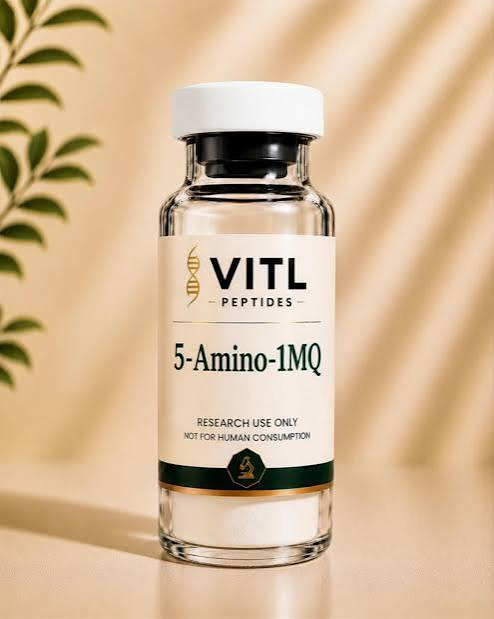
Choosing a 5-Amino-1MQ supplier requires careful evaluation of product documentation, testing transparency, sourcing information, and quality-control practices. For researchers investigating specialized chemical compounds, a supplier’s product description alone is not enough to establish whether the available material meets specific laboratory requirements. Clear specifications and verifiable analytical records provide a stronger foundation for an informed purchasing decision.
When evaluating options for 5-Amino-1MQ laboratory research, it is important to distinguish documented facts from marketing claims. Buyers should examine how products are identified, what testing information is available, and whether the supplier can answer technical questions clearly. By applying consistent evaluation criteria, researchers can better assess suppliers and determine whether the available documentation supports their intended research requirements.
Essential Qualities of a 5-Amino-1MQ Supplier
A supplier should provide more than a product name and a list of general features. Researchers benefit from accessible information about product identity, stated specifications, batch identification, and quality-control procedures. Reviewing these details first helps establish whether a supplier communicates consistently and provides enough information for further assessment.
Review Product Identity and Specifications
Start by checking whether the product listing identifies the compound clearly and provides relevant specifications. Information may include the stated chemical identity, molecular formula where applicable, physical form, quantity, and storage instructions. These details help researchers distinguish the material from other compounds and identify the documentation needed for their laboratory records.
A dependable 5-Amino-1MQ supplier should present consistent information across product pages, labels, and accompanying documents. If the listed identity differs between sources or important specifications are missing, request clarification before proceeding. Researchers should avoid assuming that a product is suitable simply because its name matches the compound they are investigating. Clear identification is an essential first step, but it does not independently verify composition or quality.
Examine the Supplier’s Quality-Control Practices
Quality-control information helps explain how a supplier evaluates products before making them available. Look for descriptions of incoming-material checks, batch identification, analytical testing, and documentation procedures. The level of detail may vary, but the information should be specific enough to help researchers understand what is checked and how the results are recorded.
When assessing a supplier, consider whether it can explain:
- How individual product batches are identified.
- Which quality checks are performed and when.
- Whether testing records are available for the relevant batch.
- How discrepancies or quality-related questions are investigated.
These details provide a practical basis for evaluating transparency. A supplier that explains its procedures clearly gives researchers more useful information than one relying only on broad statements about quality.
Evaluate Testing Documentation and Analytical Evidence
Testing documentation can help researchers determine whether a product’s stated characteristics are supported by analytical evidence. However, a certificate or numerical result should never be interpreted without considering its scope, methodology, and connection to the specific batch. Reviewing the underlying information helps prevent unsupported assumptions about product identity, purity, or consistency.
Understand Certificates of Analysis
A certificate of analysis (CoA) summarizes analytical results for a product or batch. When available, it should contain a batch or lot identifier, relevant test results, analytical methods where applicable, and information identifying the testing laboratory. Researchers should check whether the document corresponds to the material being considered rather than assuming that a general certificate applies to every batch.
For 5-Amino-1MQ laboratory research, the distinction between batch-specific documentation and generic product information is particularly important. Buyers can ask whether the supplier provides the complete report and whether its findings support the stated specifications. A CoA can contribute valuable evidence, but its existence alone does not guarantee that every relevant quality characteristic has been assessed.
Interpret Purity Results Carefully
Purity percentages can be useful when interpreted in the context of the analytical method used. High-performance liquid chromatography (HPLC), for example, can help evaluate a sample’s chromatographic composition under specified conditions. However, a reported percentage may not establish the identity of every component, the absence of all contaminants, or the suitability of the material for a particular experiment.
Researchers should review the method, reported results, and any stated limitations rather than relying on a single number. They can also ask whether additional identity testing, such as mass spectrometry, was performed when relevant. A transparent 5-Amino-1MQ supplier should explain what its analytical results demonstrate and avoid presenting limited test findings as comprehensive proof of quality.
Assess Sourcing, Storage, and Traceability
Testing records are only one part of a supplier assessment. Researchers should also consider how materials are sourced, identified, packaged, and stored. Clear handling instructions and traceable records can help laboratories maintain organized documentation and investigate discrepancies if questions arise after delivery.
Check Sourcing and Batch Traceability
Sourcing transparency helps researchers understand where a material comes from and what information the supplier maintains about its origin. Depending on the supply arrangement, relevant details may include manufacturer information, sourcing records, batch identifiers, and supporting quality documents. Suppliers should communicate the information they can substantiate instead of making vague claims about origin.
Batch traceability connects the delivered material with the relevant product records. Before purchasing, researchers can ask how the supplier links lot numbers to analytical documentation and how it handles inquiries about a particular batch. These procedures are especially useful when laboratory records must distinguish between materials received at different times. Consistent traceability supports accountability, although it does not independently prove chemical purity or authenticity.
Review Packaging and Storage Guidance
Storage and packaging requirements can vary according to a compound’s properties, formulation, and supplied form. Researchers should therefore look for product-specific instructions instead of applying assumptions based on other materials. Clear guidance should explain the recommended storage conditions and any relevant precautions associated with handling the supplied product.
Before placing an order, check whether the supplier communicates these requirements clearly and whether the packaging information is consistent with the product documentation. After delivery, compare the product label and accompanying records with the order details. If instructions are unclear or a discrepancy appears, contact the supplier for clarification before incorporating the material into laboratory procedures. Appropriate handling information supports responsible material management but does not replace analytical verification.
Compare Supplier Communication and Customer Support
A supplier’s response to technical questions can reveal how effectively it communicates important product information. Prompt replies are useful, but accuracy and clarity matter more than speed alone. Researchers should assess whether answers address the question directly and whether supporting documents are provided when necessary.
Ask Specific Questions Before Purchasing
Prepare a short list of questions based on the information available on the product page. This makes it easier to identify missing details and compare responses consistently. Useful questions include:
- Is a batch-specific certificate of analysis available?
- Which analytical methods were used to assess the material?
- Can the supplier clarify the meaning of the reported purity result?
- Are sourcing, storage, and handling details documented?
- What process is available for reporting discrepancies?
A 5-Amino-1MQ supplier that responds with clear explanations and relevant records makes the assessment process more straightforward. If answers remain vague or claims cannot be supported, treat that as a reason to seek further clarification rather than assuming the missing information is satisfactory.
Distinguish Evidence From Marketing Claims
Product descriptions sometimes use broad phrases such as premium quality, exceptional purity, or rigorous testing without explaining what those statements mean. Such wording is not a substitute for measurable specifications and supporting records. Researchers should prioritize information that can be checked, including analytical methods, batch references, and clearly stated limitations.
When considering Vitl Peptides, apply the same objective criteria used for any supplier: review the available documentation, verify the consistency of product information, and ask questions about anything that remains unclear. This approach avoids making purchasing decisions based solely on presentation or promotional language. The strongest assessment relies on evidence that can be examined rather than assurances that cannot be independently evaluated.
Conclusion
Assessing a 5-Amino-1MQ supplier involves reviewing product identity, quality-control procedures, batch-specific testing documentation, sourcing transparency, storage guidance, and customer support. No single feature proves overall quality, so researchers should consider the available evidence together and identify any gaps that require clarification.
For 5-Amino-1MQ laboratory research, a practical evaluation process begins with clear specifications, continues with careful examination of analytical reports, and includes questions about traceability and handling. Researchers should also distinguish measurable evidence from unsupported marketing claims and maintain appropriate records of their purchasing decisions. Vitl Peptides can be assessed using these same principles by reviewing the product information and documentation it makes available. Ultimately, a well-informed supplier evaluation depends on transparency, verifiable information, and a clear understanding of what the evidence does and does not establish.