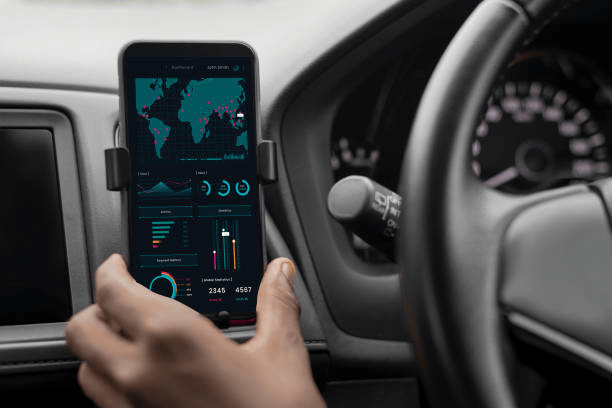
Understanding how much you drive is an important part of managing vehicle ownership costs. Whether your car is used for business travel, regular commuting, client visits, deliveries, or personal journeys, mileage can provide valuable information about how your vehicle is being used. However, manually recording every trip can quickly become inconvenient.
A car mileage tracker app offers a more practical way to monitor distance and organise driving information. Instead of relying entirely on memory or handwritten notes, drivers can use digital tracking methods to create a clearer picture of their journeys. When mileage information is combined with fuel and other vehicle expenses, it can also help reveal the true cost of driving.
Turn Everyday Journeys into Useful Data
Every trip contributes to your overall vehicle usage. A short trip to a client, a long-distance business journey, or several daily appointments can add up over time.
Without consistent tracking, it can be difficult to understand how much distance you actually cover. Recording mileage gives you a measurable record that can be reviewed whenever needed.
This information can help you identify:
- How far you travel each week or month
- How frequently your vehicle is used for work
- Which types of journeys contribute most to your mileage
- Whether your driving habits are changing
- How vehicle usage relates to operating costs
Instead of viewing mileage as just a number, you can use it as useful information for better vehicle management.
Connect Distance With the Cost of Driving
Mileage becomes much more valuable when it is considered alongside your other vehicle expenses. The distance you travel can influence fuel consumption, servicing requirements, tyre wear and other running costs.
For example, a driver who covers significantly more kilometres each month may naturally experience higher fuel and maintenance expenses. Tracking both mileage and spending can make these patterns easier to recognise.
A simple comparison between distance and expenses can help you understand whether your vehicle costs are increasing because of higher usage or other factors.
Let Technology Capture Trips Automatically
One of the biggest advantages of modern mileage tracking is the ability to reduce manual recording. Depending on the technology being used, trips can be detected and recorded automatically.
This can be especially useful for drivers who have busy schedules. Instead of remembering to write down the distance after every journey, an automated system can capture trip information for later review.
Automatic tracking can be valuable when your day includes several destinations because it reduces the risk of forgetting a journey.
Know Which Miles Are Work Related
A vehicle can be used for both professional and personal purposes. For this reason, simply knowing your total mileage may not provide enough information.
Separating work-related journeys from personal driving can make your records much more useful. Business travel might include visiting customers, attending meetings, travelling between work locations, visiting suppliers or completing other work-related tasks.
When trips are categorised consistently, it becomes easier to see how much driving is connected to professional activities.
See also: Auto-Clean Kitchen Chimneys Explained: Technology, Functionality, and Benefits
Use Mileage Patterns to Spot Changes
Mileage tracking can reveal patterns that may not be obvious from individual journeys.
For instance, you may discover that your monthly mileage increases during certain periods because of additional client meetings or business activity. Alternatively, you may notice that some routes or activities account for a large proportion of your overall driving.
Reviewing these patterns can help you understand your vehicle usage more clearly and make informed decisions about future travel.
Compare Different Periods
Looking at mileage over different timeframes can make changes easier to identify. You might compare:
- One week with another
- Monthly mileage
- Seasonal travel
- Business and personal mileage
- Current mileage with previous records
Regular comparisons can provide a clearer picture than looking at individual trips in isolation.
Make Fuel Consumption Easier to Understand
Fuel is one of the most noticeable costs associated with driving. Mileage records can provide useful context when reviewing fuel consumption.
If you regularly record both distance and fuel purchases, you can begin to understand how much fuel your vehicle uses relative to the amount you drive.
Changes in fuel consumption may sometimes be linked to factors such as:
- Increased traffic
- Longer journeys
- Frequent short trips
- Driving conditions
- Vehicle condition
- Changes in driving habits
Mileage information alone cannot explain every change, but it can provide a useful starting point for investigating vehicle running costs.
Use Distance to Plan Vehicle Maintenance
Your mileage can also help you stay aware of vehicle maintenance requirements. Many maintenance tasks are associated with distance travelled or periods of vehicle use.
Keeping a consistent mileage record can help you monitor how much your car is being driven between servicing and maintenance activities.
This can make it easier to plan ahead rather than waiting until vehicle problems become noticeable. A mileage record can also provide useful historical information when reviewing how heavily a vehicle has been used.
Reduce the Work Behind Expense Records
For people who drive as part of their work, mileage information may form part of wider expense records. Manually reconstructing journeys at the end of the month can take considerable time.
A digital tracking system can simplify this process by keeping journey information organised throughout the month.
Rather than trying to remember where you travelled weeks earlier, you can review records that have already been captured. This can make expense administration more manageable and reduce the chance of missing important journeys.
Build a Tracking Habit That Actually Works
The most effective mileage system is one that fits naturally into your daily routine. There is little benefit in choosing a complicated tracking method that you find difficult to maintain.
A practical routine could involve reviewing your recorded trips once or twice a week. During the review, check that journeys have been correctly categorised and that unusual entries are accurate.
This small habit can prevent your mileage records from becoming a large administrative task at the end of the month.
Look for Features That Make Tracking Practical
When selecting a mileage tracking solution, focus on features that genuinely make your routine easier rather than simply choosing the option with the largest number of functions.
Useful capabilities may include:
Automatic Journey Recognition
Automatically detecting trips can reduce manual entry and help capture journeys more consistently.
Clear Mileage Summaries
Easy-to-understand summaries allow you to see total distance without sorting through every individual journey.
Trip Categorisation
The ability to mark journeys according to their purpose can help separate professional and personal driving.
Flexible Reporting
Reports covering specific dates, vehicles or trip categories can make mileage information easier to analyse.
Easy Corrections
A tracking system should allow you to edit information when a trip has been recorded incorrectly.
Accessible Records
Being able to review your mileage information when needed can make ongoing record management more convenient.
Think Beyond the Odometer
Your vehicle’s odometer tells you how much the car has travelled overall, but it does not explain where the mileage came from or why the vehicle was driven.
A dedicated tracking approach can provide more context around your journeys. You can understand the difference between business travel, personal driving, regular routes and occasional long-distance trips.
This additional context can be particularly valuable when managing a vehicle that is used for multiple purposes.
Make Smarter Decisions With Your Mileage History
Once you have consistent mileage records, the information can become useful for longer-term planning.
You may be able to identify whether your vehicle is being used more heavily than expected, whether business travel is increasing, or whether certain periods involve significantly higher driving costs.
For businesses, this information can also support decisions about travel planning, vehicle usage and expense management.
The goal is not simply to collect mileage data. It is to make that information useful.
Final Thoughts
A car mileage tracker can turn everyday driving information into a practical resource for managing distance and vehicle costs. By recording journeys consistently, separating different types of travel and connecting mileage with fuel and maintenance expenses, drivers can gain a better understanding of how their vehicles are being used.
The smartest approach is not necessarily the most complicated one. A simple tracking routine combined with useful digital features can reduce manual work while providing clearer information about your driving.
Whether you drive occasionally or spend a significant amount of time on the road, consistent mileage tracking can help you stay organised and make more informed decisions about your vehicle and its running costs.