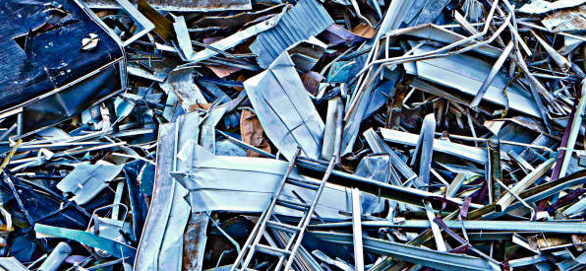
Unmanaged scrap metal in industrial settings does more than create an eyesore. It builds up quietly, often unnoticed, until it starts affecting how safely people can move through a facility. Construction sites, manufacturing plants, and warehouses all face this problem. The longer it sits at such places, the greater the risk it creates for workers, supervisors, and the business overall.
The connection between site cleanliness and safety outcomes is well documented across Australian industries. Facilities that incorporate metal recycling into regular site operations tend to report fewer workplace incidents than those managing waste reactively. Scrap left unattended around active work zones becomes a compounding problem. Sharp edges, unstable piles, and obstructed walkways turn manageable debris into genuine injury risks that affect daily workflow and crew morale.
When Metal Waste Becomes a Physical Threat
Laceration and Trip Hazards in Active Work Zones: Cut and puncture injuries remain among the most common incidents at industrial sites across Australia. Metal offcuts, sharp sheet edges, and bent rods left near walkways create constant exposure for workers moving quickly under pressure. These are not theoretical risks. Sites dealing with high volumes of ferrous and non-ferrous material routinely experience preventable injuries that stem directly from poor scrap staging and delayed removal.
How Hazard Identification Breaks Down Under Clutter: A structured approach to hazard identification helps site managers spot dangerous conditions before they result in incidents. Accumulating scrap near active zones makes this harder because the clutter itself becomes normalised over time. Regular collection schedules force a reset, giving supervisors a clearer view of what is happening at ground level. That visibility alone can make a measurable difference to overall injury frequency rates.
Regulatory Exposure Grows With Every Uncollected Load
How Cluttered Sites Attract Inspection Failures: Regulatory bodies in Australia inspect industrial facilities for workplace health and safety compliance on a regular basis. A site that fails to manage scrap accumulation sends an immediate signal during any inspection visit. Inspectors assess clear egress paths, properly staged materials, and evidence of a functioning waste management process. Scrap sitting near emergency exits or in designated walkways creates direct grounds for infringement notices and further scrutiny.
The Financial Weight Behind Safety Failures: Fines from regulatory breaches and workplace incidents are not small numbers. Beyond direct costs, there are indirect losses, including lost productivity during investigations, worker compensation claims, and potential legal exposure. For commercial operators, a single preventable incident tied to poor scrap handling can cost significantly more than a structured collection programme would have. Perhaps the most frustrating part is that these expenses are largely avoidable with basic planning.
Common Hazards Linked to Scrap Accumulation:
- Sharp metal offcuts left near pathways increase laceration risk for workers moving between zones.
- Unstable scrap piles near equipment areas raise crush and impact injury exposure considerably.
- Blocked emergency exits created by scrap accumulation directly breach safety compliance requirements.
- Poor material staging near loading docks increases forklift collision risk during peak movement hours.
- Absent removal schedules lead to reactive waste handling that compounds existing hazards over time.
Structured Collection Rewrites the Safety Equation
Scheduled Removal Keeps Material Volumes Under Control: Commercial operations that establish a regular scrap collection schedule eliminate the reactive scramble that causes most problems. Instead of waiting until debris becomes unmanageable, a planned removal process keeps volumes controlled throughout the working week. Workers are not navigating around accumulating waste, and site supervisors are not constantly redirecting crew to deal with scrap that should have left the site days earlier.
Cleaner Floors Create Faster and Safer Movement: There is a measurable link between floor-level clutter and the time workers need to complete tasks safely. Cluttered environments slow movement, reduce visibility of emerging hazards, and force split-second decisions about navigating around debris. Removing scrap on a structured basis means teams can focus on their actual tasks, not on avoiding what is sitting in their path and creating unnecessary daily exposure.
See also: business operations contact numbers
Productivity and Compliance Moving in the Same Direction
Organised Sites Build Worker Confidence Over Time: Workers consistently perform better in organised environments. The behavioural impact of a clean site is often underestimated when safety planning takes place. When employees see that waste is managed and pathways are clear, they tend to hold themselves to higher standards as well. It creates a culture where safety is visible on the floor, not just written in a policy document sitting somewhere on a shared drive.
Fewer Variables for Site Managers to Monitor Daily: Sites with structured scrap removal find that maintaining compliance becomes far less stressful over time. Inspections carry less risk when material is not accumulating in unauthorised areas across the facility. For managers overseeing multiple operations simultaneously, a functioning collection process reduces the number of variables they need to track. That reduction in unpredictability is, perhaps, one of the more underappreciated outcomes of consistent scrap removal.
A Safer Site Is Built One Decision at a Time
Moving from reactive waste handling to a structured removal programme does not require a major operational overhaul. Commercial and industrial facilities of all sizes can arrange regular scrap collection through professional services that handle construction sites, manufacturing plants, and warehouses. If metal waste is building up at your site and creating risk for your crew, now is the time to act. Contact a licensed scrap collection and recycling service, and put a system in place that protects both your people and your compliance standing.